Welcome To
Woodhaven Animal Health
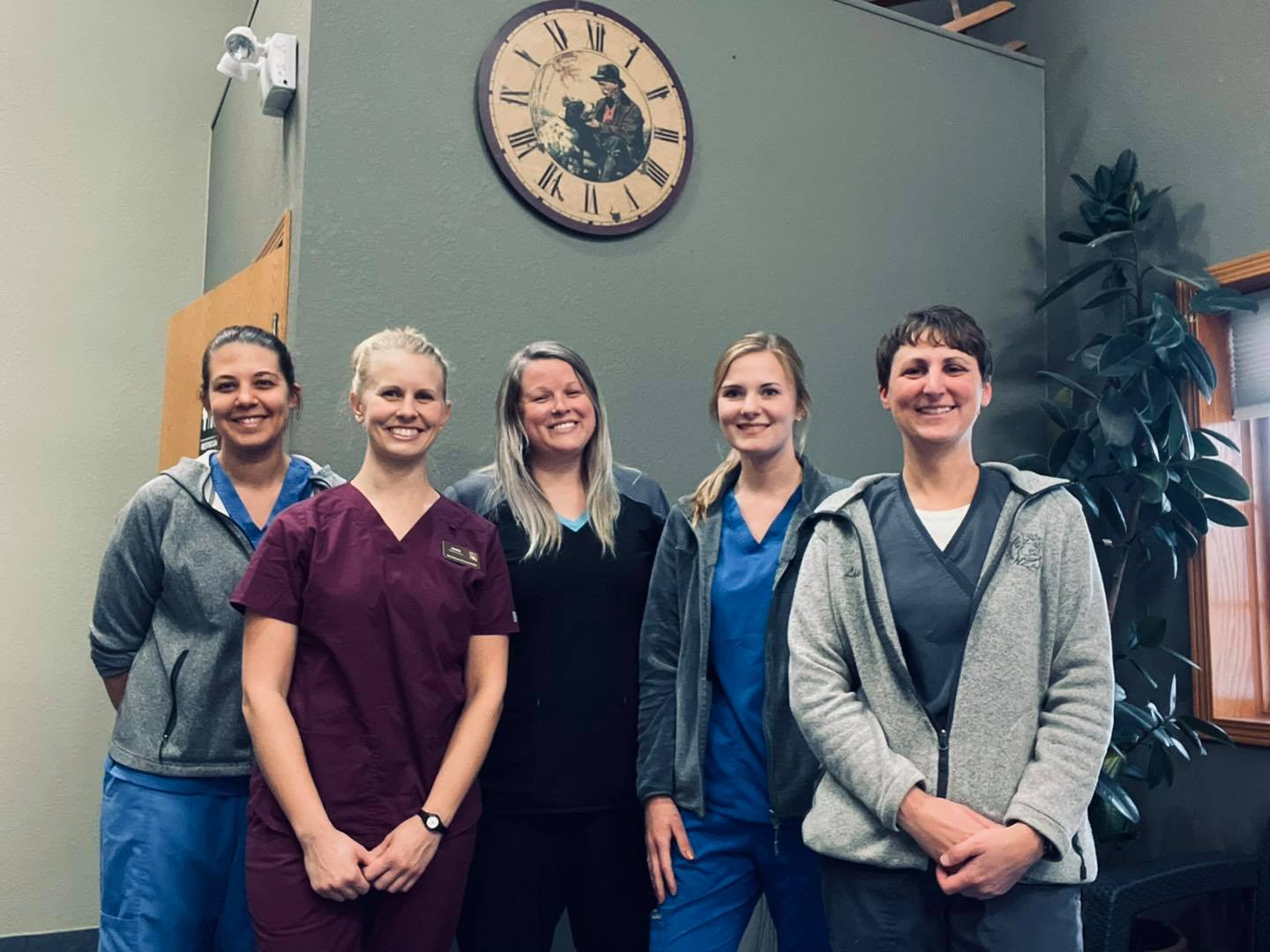
Our friendly, experienced staff provides a host of pet care services including vaccination, dentistry, general laser surgery and health care evaluations.
A LITTLE ABOUT
Woodhaven Animal Health
A pet can bring a lifetime of joy, love, and treasured memories. With those happy moments also comes a special responsibility to care for the needs of your animal friend. We believe your pet deserves the best veterinary care Portage County has to offer – and Woodhaven Animal Health takes great pride in making sure each pet is treated like a member of the family.
Veterinary Services
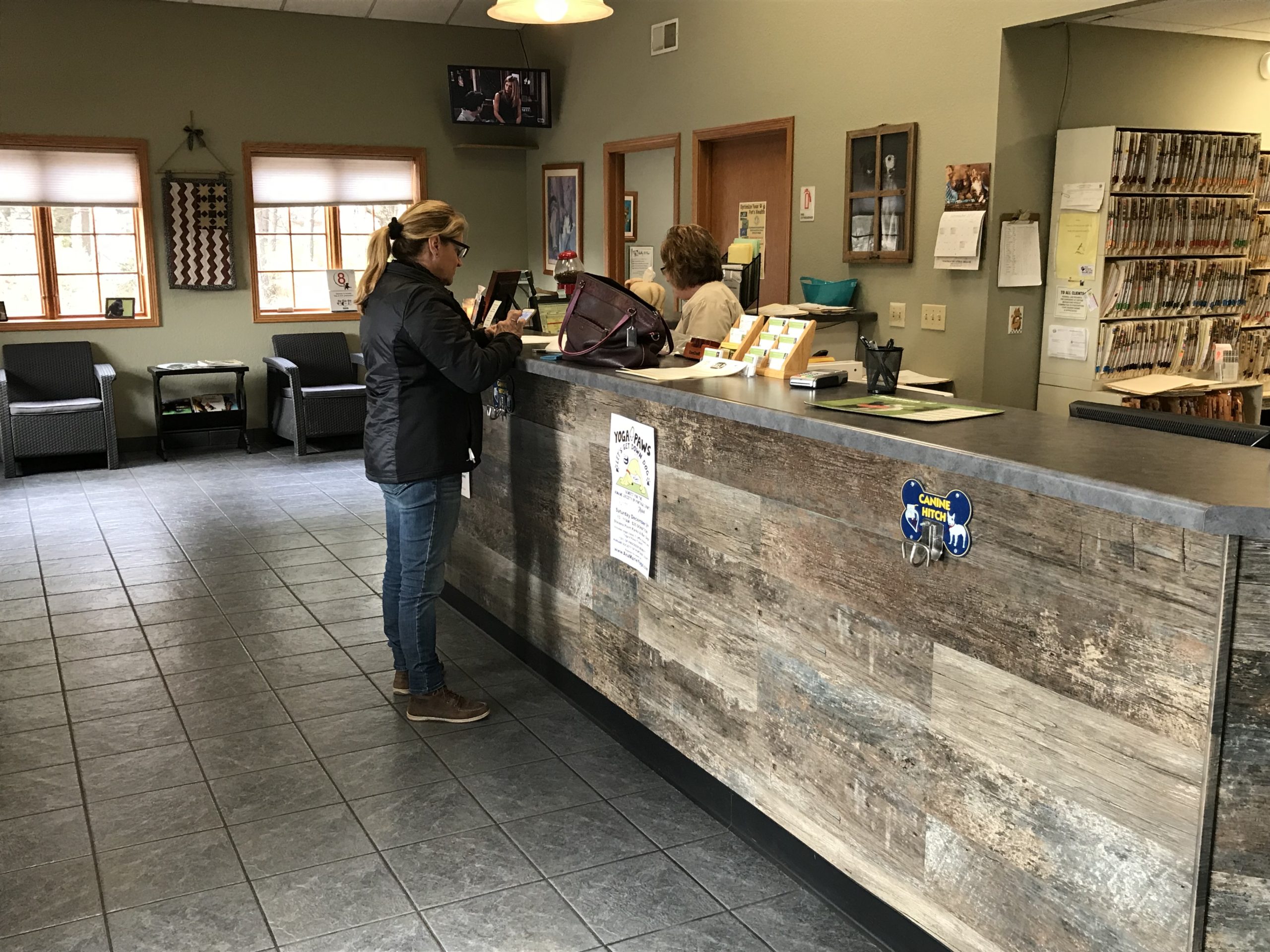
Woodhaven Animal Health is a well-equipped companion animal veterinary clinic, offering the finest in care for you and your pet.
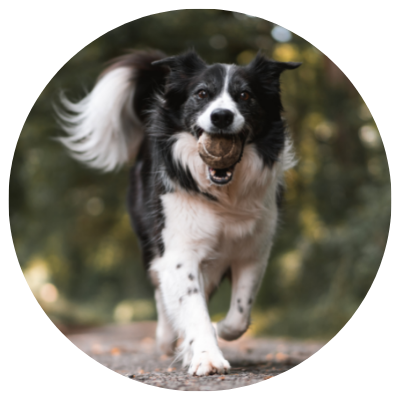
Pet Wellness Care
Routine veterinary visits help keep your pet happy and healthy throughout all their life stages.
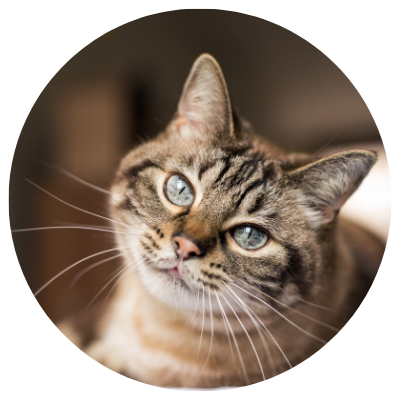
Pet Surgery
We utilize advanced surgical techniques to help restore your pet to health.
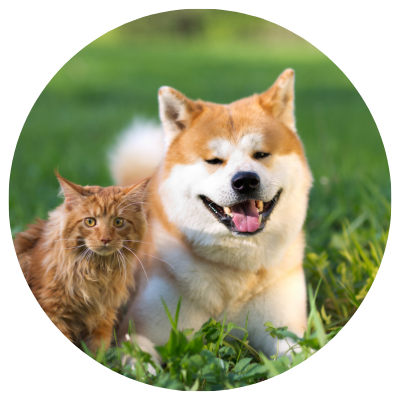
Pet Dentistry
Bad breath is an early sign of dental disease. Schedule a visit so we can assess your pet’s oral health.
TESTIMONIALS